AI Agents For Automation & Business Growth – UG InfoSystems
In today’s dynamic digital landscape, businesses seek innovative solutions to stay competitive, streamline operations, and unlock new revenue streams. Artificial intelligence (AI) agents—autonomous software entities that perform tasks and make decisions—have emerged as a critical driver of efficiency and growth. This article explores why AI agents are essential for modern enterprises and details how UG Infosystems (UGI) crafts bespoke AI agents that deliver maximum value by addressing unique organizational needs.
What Is an AI Agent?
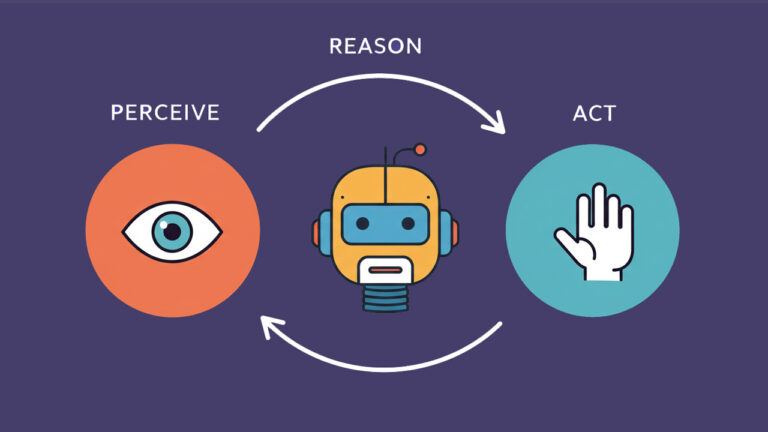
At its core, an AI agent is a software program endowed with the capability to perceive its environment, interpret data, and act autonomously to achieve defined goals. In simple terms, imagine a digital assistant that:
- Understands Tasks: Recognizes user requests—such as answering customer queries or processing transactions.
- Learns Continuously: Improves performance over time by analyzing data and outcomes.
- Acts Independently: Executes predefined workflows without constant human intervention.
AI agents span a range of functions—from conversational chatbots in customer support to predictive analytics engines in supply chain management. Their flexibility makes them indispensable across industries.
Why AI Agents Matter for Business Growth
1. Enhanced Operational Efficiency
AI agents automate repetitive, rule-based tasks—data entry, report generation, and routine customer interactions—freeing human resources for strategic initiatives.
- Outcome : Reduced labor costs and fewer manual errors.
2. Data‑Driven Decision Support
By ingesting and analyzing large volumes of structured and unstructured data, AI agents surface actionable insights in real time.
- Outcome : Faster, more accurate decisions in finance, marketing, and operations.
3. 24/7 Availability and Scalability
Traditional resources are bound by business hours; AI agents operate continuously, handling spikes in demand—such as peak‑season sales or network traffic—without degradation.
- Outcome: Consistent service levels and seamless scalability.
4. Personalized Customer Experiences
AI agents can tailor interactions based on individual preferences and behavior patterns, whether through customized product recommendations or proactive service alerts.
- Outcome : Higher customer satisfaction, loyalty, and retention.
5. Competitive Differentiation
Organizations that integrate AI agents can differentiate themselves by delivering innovative services such as intelligent virtual assistants or predictive maintenance alerts thereby gaining market leadership.
- Outcome : Improved brand reputation and enhanced market share.
UGI’s Methodology for Tailored AI Agents
UG Infosystems (UGI) follows a structured, four‑phase approach to ensure each AI agent aligns perfectly with a client’s requirements:
Phase 1 : Discovery and Requirements Analysis
- Workshops and Interviews : Engage stakeholders to map existing workflows, data sources, and performance metrics.
- Gap Analysis: Identify bottlenecks and high-impact processes ripe for AI automation.
Phase 2 : Design and Prototyping
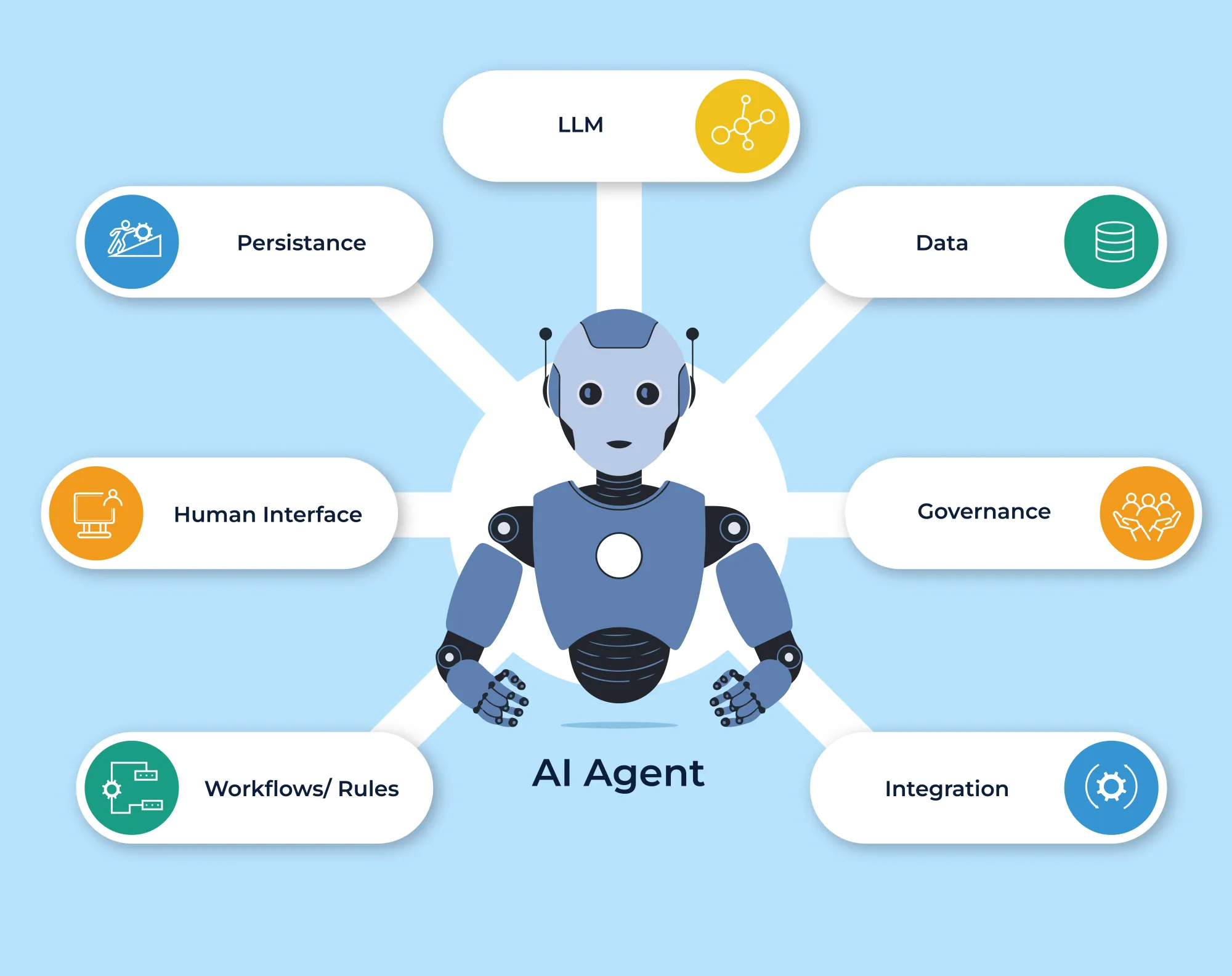
- Solution Architecture: Define the AI agent’s functional scope, integration points (CRM, ERP, cloud platforms), and data pipelines.
- Prototype Development: Build a minimum viable agent to validate key functionalities and capture early feedback.
Phase 3 : Development and Integration
- Model Training: Utilize machine learning techniques natural language processing (NLP), computer vision, or predictive modeling tailored to the client’s data.
- System Integration: Seamlessly embed the AI agent into existing IT environments, leveraging APIs, microservices, and containerization for flexibility.
Phase 4 : Deployment, Monitoring, and Continuous Improvement
- Continuous Learning: Implement automated retraining pipelines to incorporate new data and refine model accuracy.
- Performance Dashboards: Provide real‑time monitoring of agent metrics—accuracy, response times, and user satisfaction.
- Iterative Optimization: Conduct periodic reviews and A/B testing to enhance capabilities and expand use cases.
Real‑World Impact : UGI AI Agents in Action
Case Study: E‑Commerce Customer Support
Client Challenge :
A leading online retailer faced high volumes of customer inquiries around order status and returns, leading to long wait times and operational strain.
UGI Solution :
Developed an NLP‑powered AI agent that:
- Understood natural‑language requests via website chat and social media.
- Resolved 80% of routine queries autonomously, directing complex issues to human agents.
- Integrated with the client’s order management system for real‑time updates.
Results:
- 50% reduction in average response time.
- 30% increase in customer satisfaction scores.
- 25% decrease in support team workload, enabling focus on high‑value customer interactions.
Case Study : Predictive Maintenance in Manufacturing
Client Challenge :
A global manufacturing firm needed to minimize unplanned downtime of critical machinery.
UGI Solution :
Deployed a predictive analytics AI agent that:
- Monitored equipment sensor data in real time.
- Predicted potential failures using machine learning models.
- Scheduled maintenance proactively before breakdowns occurred.
Results :
- 40% reduction in unplanned downtime.
- 20% savings on maintenance costs.
- Enhanced production efficiency and capacity utilization.
Best Practices for Successful AI Agent Deployment
- Data Quality and Governance: Ensure high‑quality, labeled data and robust governance frameworks to maintain model integrity.
- Change Management: Engage end‑users early, provide training, and communicate benefits to drive adoption.
- Ethical AI Considerations: Implement bias detection and transparent decision‑making processes to uphold fairness and compliance.
- Cross‑Functional Collaboration: Foster collaboration among IT, operations, and business units to align AI initiatives with strategic objectives.
Conclusion
AI agents are more than a technological innovation—they are a strategic imperative for organizations aiming to enhance efficiency, deliver superior customer experiences, and achieve sustainable growth. UG Infosystems combines deep domain expertise, rigorous methodologies, and cutting‑edge AI technologies to deliver tailor‑made AI agents that address each client’s unique challenges.
Embrace the future of intelligent automation. Connect with UGI today to explore how a custom AI agent can transform your operations and drive measurable business value.
About UG Infosystems (UGi)
UGI is a leading IT support service provider offering Web & App Development, Cloud Development & Migration, Application Engineering Management, Data Analysis, UI/UX Design, Machine Learning, DevOps, and specialized Logistics SaaS solutions. Our mission is to empower businesses with innovative technology that accelerates growth and fosters long‑term success.